







Drop-Stitch vs. Inflatable Pools: Differences and Whether They're Worth It
If you're comparing traditional inflatable pools with Drop Stitch technology pools, this guide summarizes the real differences between the two—without any marketing hype—so you can make an informed decision based on facts, not just the ad photo.
What is the main difference between a traditional inflatable pool and a Drop Stitch pool?
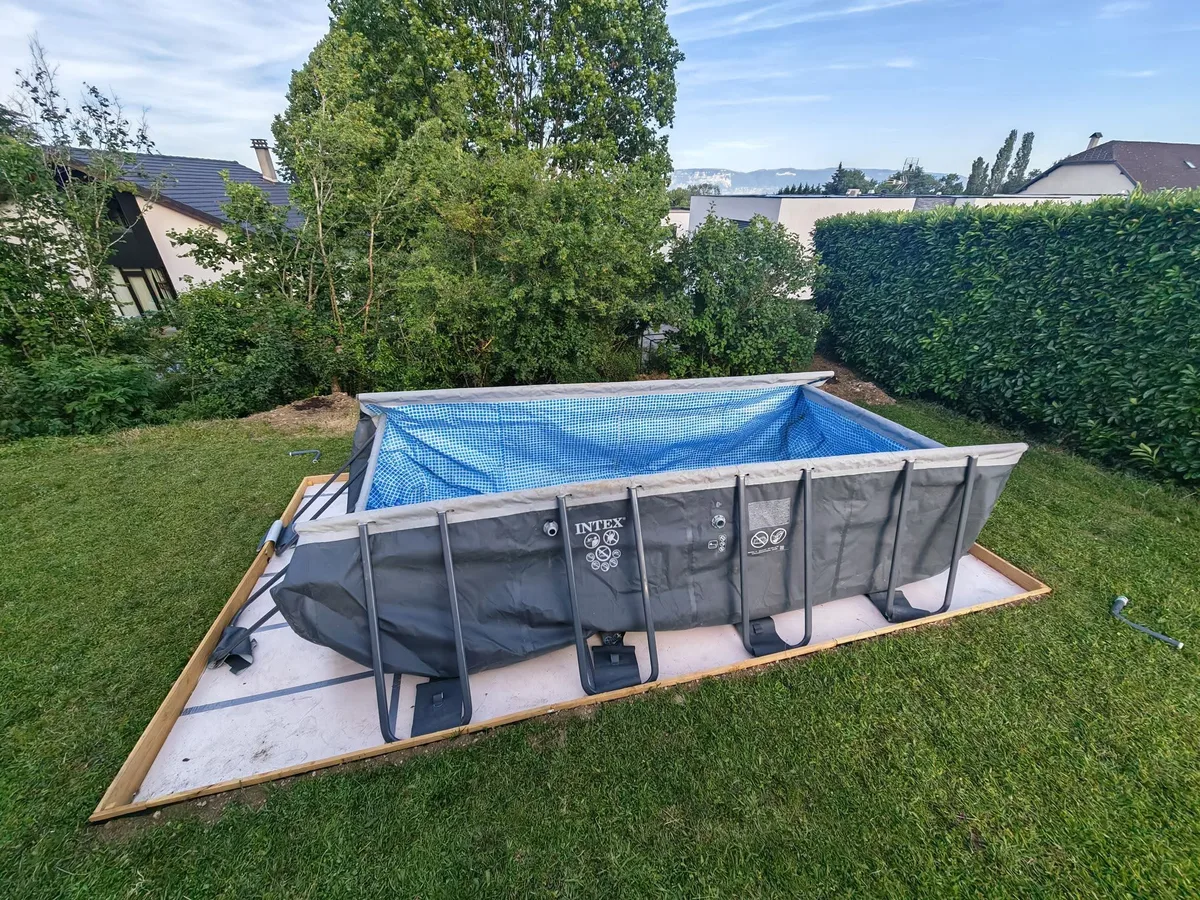
The difference lies in how each structure withstands the pressure of the water from the inside. A simple inflatable pool is, literally, an air tube: the air pushes against the walls in all directions, and the pool relies solely on that air pressure to stay intact. That’s why, when it’s filled with water, the walls tend to bulge outward and lose the straight shape they had at the start of summer.
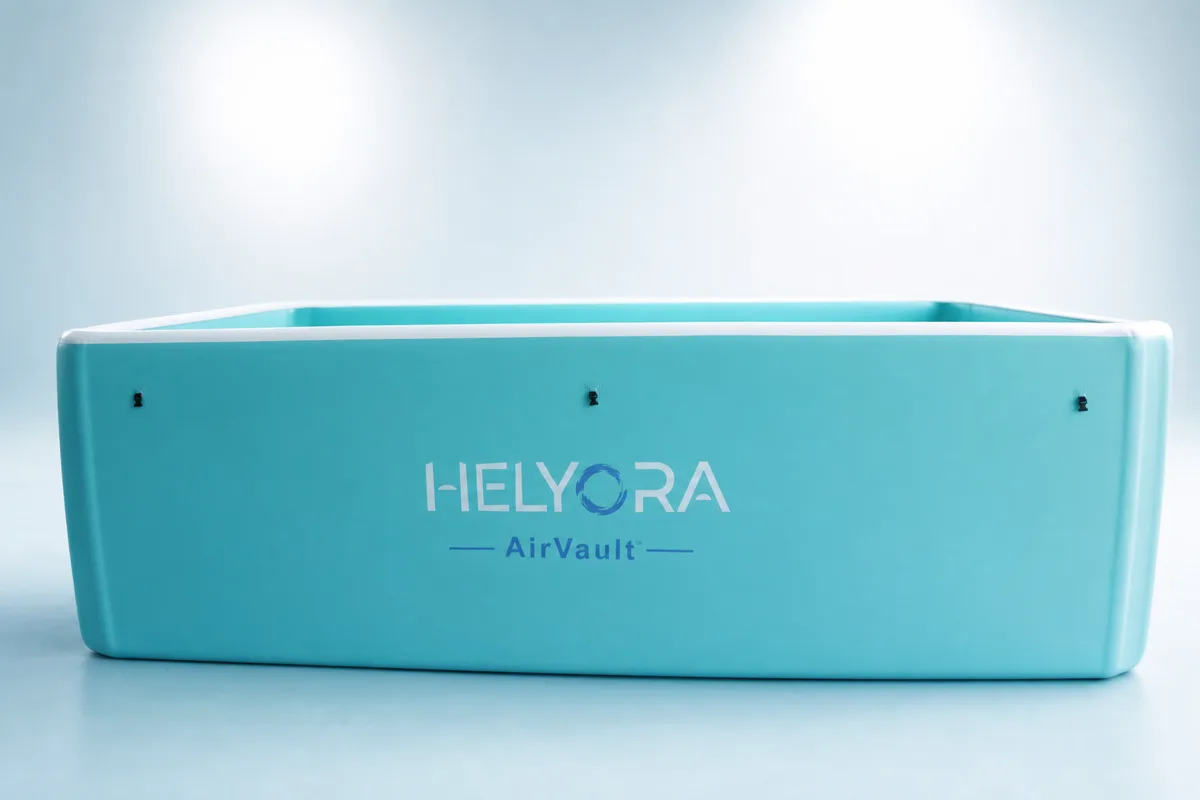
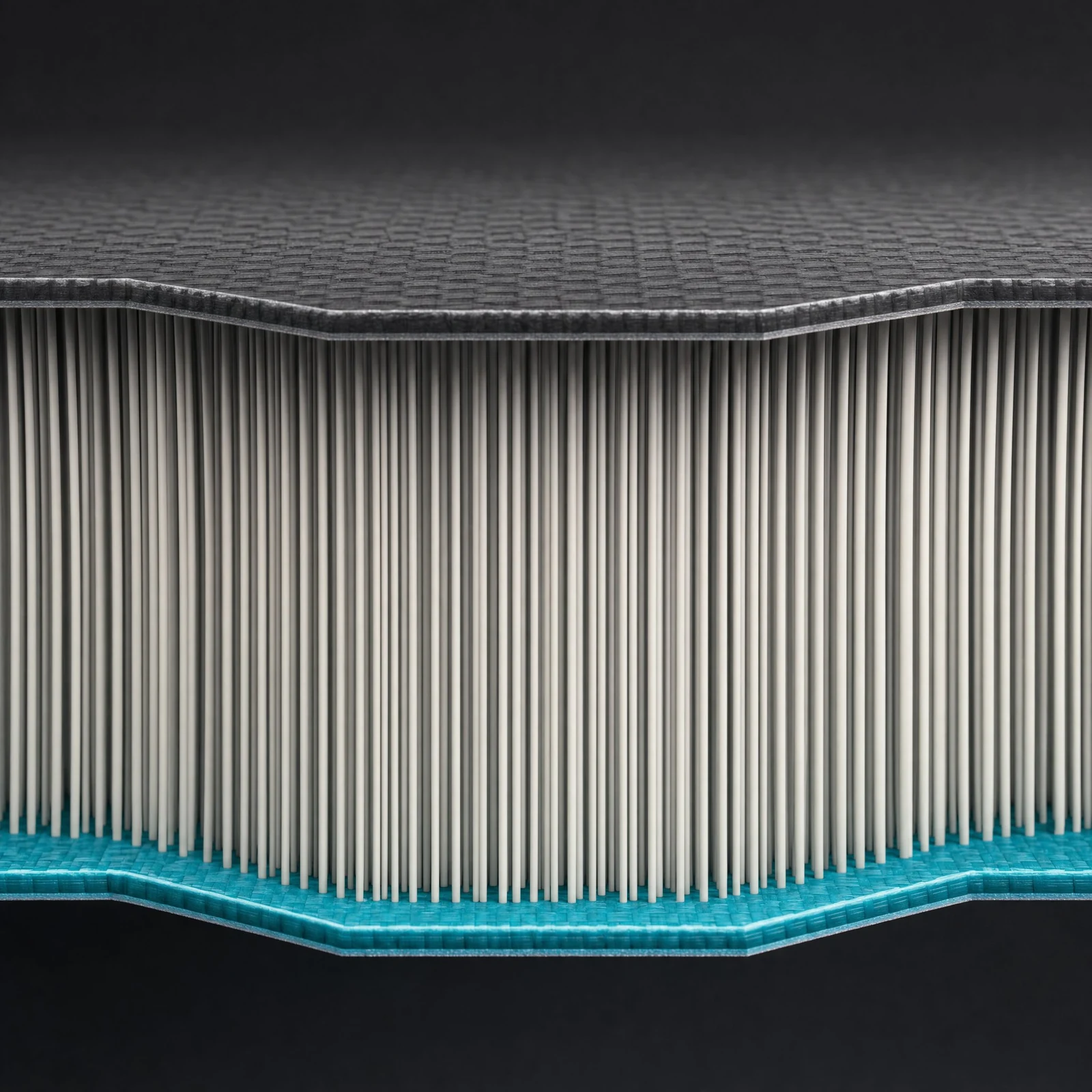
Drop Stitch (D-Stitch™) technology works differently: thousands of internal polyester threads connect the inner and outer layers of the fabric under tension. It’s the same engineering that has been used for years in inflatable paddleboards. The result is a rigid wall created by internal pressure, not just a simple air bag—it behaves like a structure, not like a giant float.
Is a Drop Stitch pool more durable for everyday family use?
Yes, and the reason is structural, not marketing-related. Since it doesn’t rely solely on air pressure to maintain its shape, a Drop Stitch wall better withstands the normal wear and tear of daily use: children leaning on the edge, someone sitting on the side, or the distributed weight of several people inside at the same time. In a standard inflatable, those pressure points are usually immediately noticeable as areas that give way or sag slightly.
The PVC of the liner matters, too: Helyora uses a 0.7 mm-thick material that’s resistant to punctures from branches, small stones, or normal wear and tear in the garden. It’s the same material used in other premium pools, but combined with the Drop Stitch structure, the entire pool withstands a full season of heavy use better than a single-wall inflatable, which tends to lose firmness over time and become less straight than it was on the first day.
Which one is easier to put together and take apart?
The difference here is smaller than it seems: both can be set up without construction work or special tools—just a pump. A Helyora pool can be set up in 20–30 minutes by a single person on a level base (gravel, compacted sand, or concrete)—no installer and no excavation required. The kit includes a hand pump and a PVC repair kit; an electric pump is not included as standard.
The real difference isn't in the difficulty, but in the durability: a Drop Stitch structure maintains operating pressure (10–20 PSI, depending on the model) more consistently throughout the season thanks to the AerVault™ seal—thermofused layers and anti-leak valves that prevent air from escaping over time. Important note: AerVault™ seals in air, not water or algae—that still depends on your usual water treatment routine, not the structure itself.
Which one takes up the least space when stored out of season?
It’s practically the same. The Drop Stitch liner is slightly thicker than that of a standard inflatable pool due to the thousands of internal threads, but it remains flexible once the air is let out: it folds up and fits into its carrying bag with a very similar volume. The real difference in space isn’t in how the fabric stores, but rather in the fact that, because it’s more durable, you’re less likely to have to replace the entire thing mid-season—which is the true hidden cost of a pool that sags.
Is it worth paying more for a Drop Stitch pool?
It depends on what you want it for, but looking at the facts: a Drop Stitch pool costs more upfront (Helyora’s Azora line starts at €799) than a simple inflatable pool of the same size. What you’re getting for that extra cost is a structure that doesn’t rely solely on air to stay upright, 0.7 mm puncture-resistant PVC, an AerVault™ seal that withstands pressure without leaks throughout the season, and an estimated lifespan of 7–10 years, compared to a simple inflatable, which—with heavy use—often starts to lose its shape or develop the first punctures as early as the first or second season.
In addition, the entire Helyora line comes with a 3-year EU statutory warranty—which is different from the estimated service life, and it’s important not to confuse these two figures when comparing prices across brands.
If you're setting up your pool just for a single weekend, a simple inflatable might be enough. If you're going to set it up every summer for years to come—with kids, guests, and daily use—the initial price difference quickly pales in comparison to the cost of replacing a pool that doesn't last the season.
If you want to understand in more detail how the technology works from the inside, you can find a complete breakdown at our technology page, and the general comparison between inflatable and collapsible models at this previous guide. And if you've already decided you want a structure that will last the entire season, you can check out the available sizes at our line of swimming pools.
2 Responses