








Maintaining a Above-Ground Pool Throughout the Season
Setting up the pool is the easy part. What makes the difference between enjoying it for the three summer months or abandoning it after two weeks is maintenance. Here are the essentials—without trying to sell you products you don't need or promising that the structure will do the job that water treatment is supposed to do.
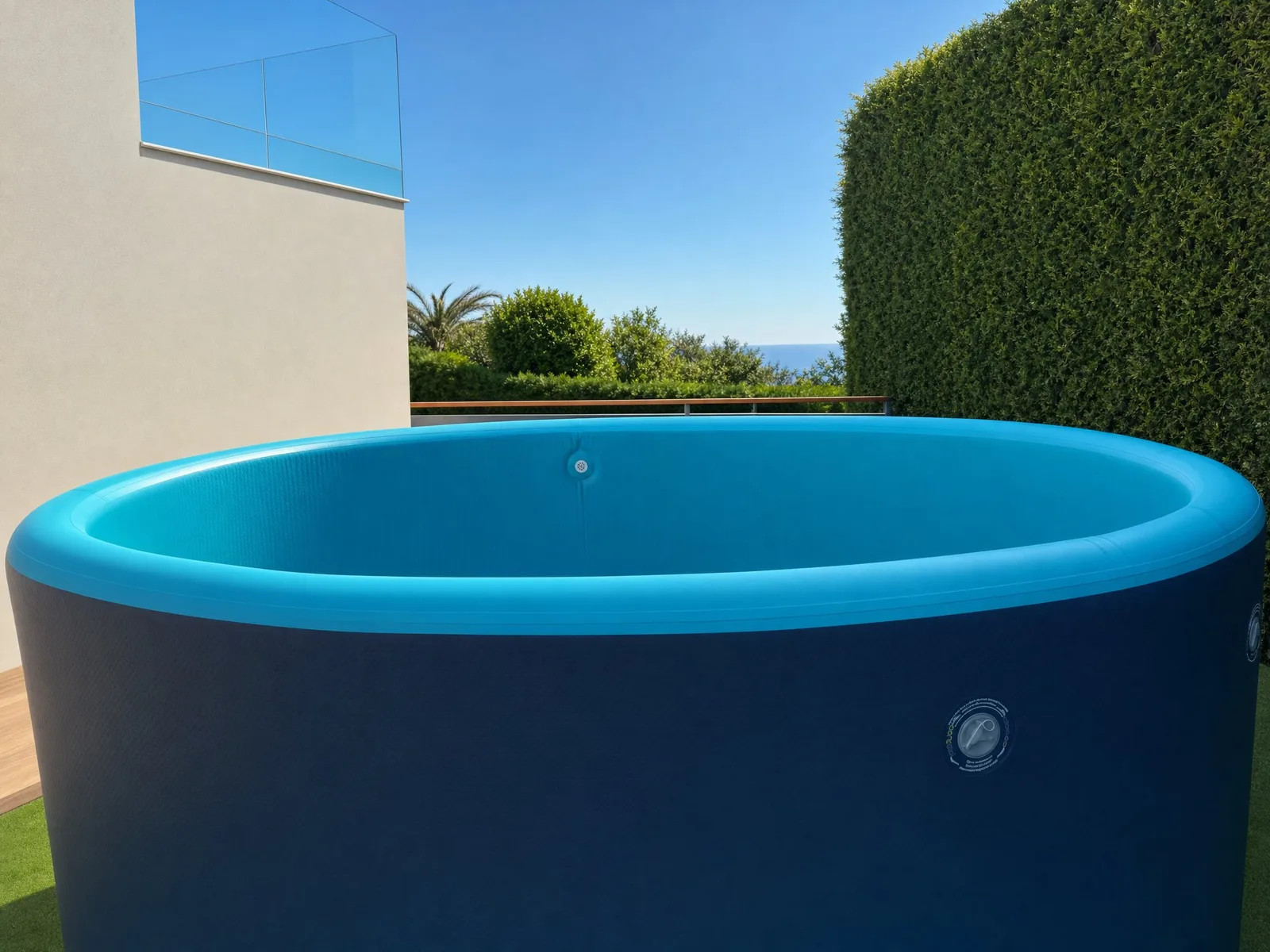
How can you keep the water in good condition all season long?
With three simple habits, repeated every week: measuring the pH (ideally between 7.2 and 7.6), maintaining a constant chlorine level, and filtering or changing the water regularly. That’s all the science you need for a home pool—the common mistake isn’t about the products, it’s about consistency: check the water every two or three days, not just when it already looks cloudy or green.
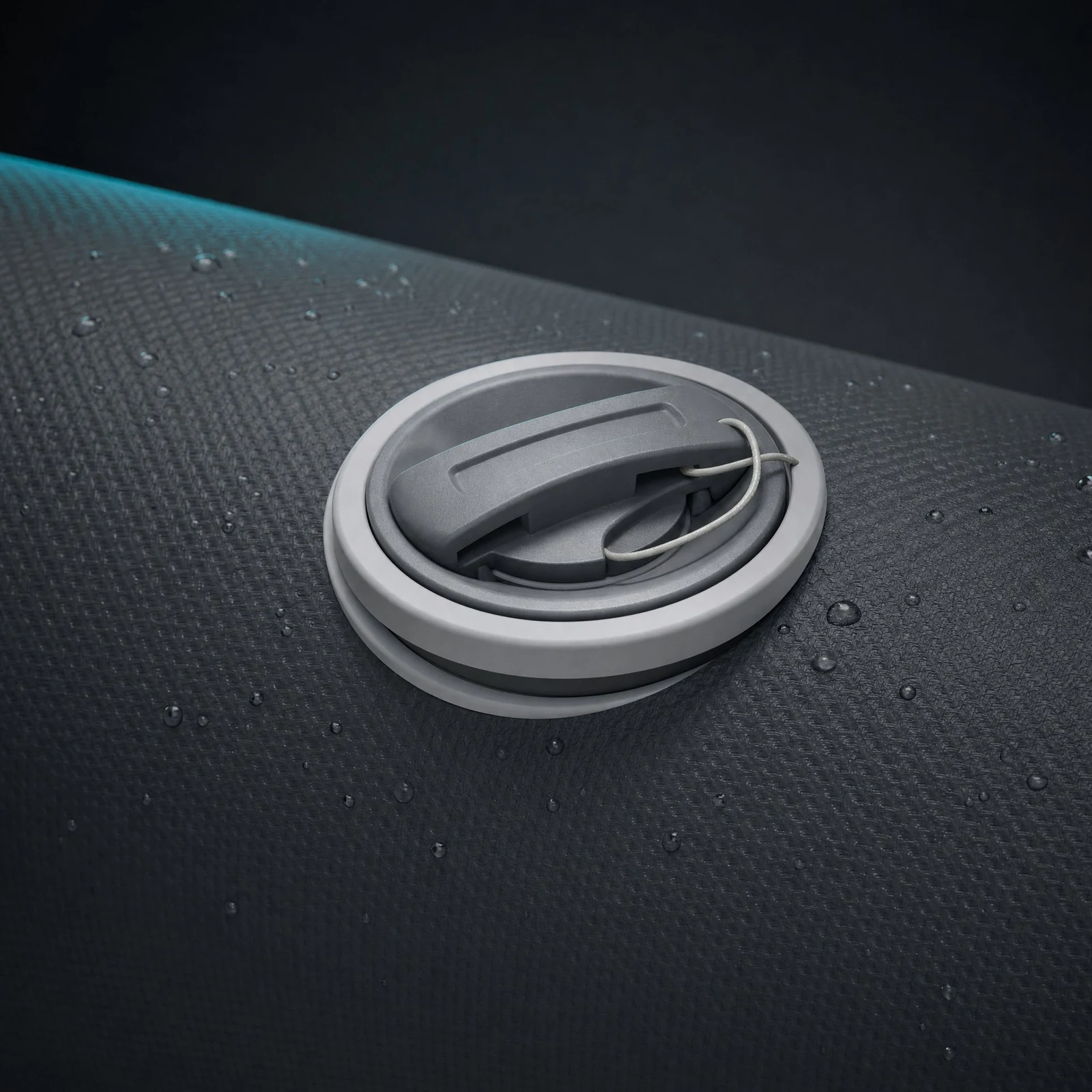
An important note: The AerVault™ seal on your Helyora pool maintains the air pressure in the structure, not the condition of the water. These are two separate systems—one ensures that the pool doesn’t lose its firmness during the season, while the other depends on you and your water treatment routine. Confusing the two is the most common reason why people blame «the pool» for a problem that is actually related to water maintenance.
What chemicals are essential?
Three, and that covers 90% of household cases: chlorine (multi-action tablets are the most convenient for normal household use), a pH adjuster (liquid or powder, to raise or lower the pH based on test strip readings), and, if the water looks cloudy for no apparent reason, a flocculant that clumps together fine particles so the filter can trap them more effectively.
What you don't need, except in specific cases: algaecides for continuous use (if you keep the chlorine level stable, you almost never need them), or «all-in-one» products with added fragrances or dyes—they don't contribute anything to actual pool maintenance and make your weekly routine more expensive without any measurable benefit.
How often should the filter be cleaned?
It depends on the filtration system you use, because the pool itself does not include a filter pump—the standard kit comes with a manual inflation pump and a PVC repair kit, not an electric filtration system. If you add a cartridge filter pump (the most common option for home pools of this size), rinse the cartridge every 1–2 weeks with a hose and replace it when it loses its shape or at the end of the season. If you use a sand filtration system, a weekly backwash is usually sufficient to keep it working effectively.
Without a filter pump, the alternative is to drain and replace some of the water more frequently—it's not the most convenient option for large pools, but it's a valid option if you only use the pool occasionally on weekends.
How can you prevent algae growth without spending too much?
With stable chlorine levels and good water circulation, they almost never appear. Algae need three things to grow: light, nutrients, and stagnant water. Eliminate any one of these three factors, and the problem disappears before it even starts. In practice: keep chlorine levels within the recommended range all week long (not just when you already see green water), cover the pool with a tarp when you won’t be using it for several days in a row to reduce direct sunlight, and prevent organic matter—leaves, sunscreen residue, insects—from accumulating without being removed.
Here’s something you should be aware of before buying any pool—not just ours: AerVault™ is the air-sealing system for the Helyora structure—it maintains pressure and prevents the pool from losing its firmness, but it does not filter the water or prevent algae growth. That part always depends on your treatment routine, regardless of the brand of pool you have in your backyard.
How should I store and preserve it during the winter?
Four steps, in this order: drain all the water completely, let the tarp air dry before folding it (storing it while damp is the number one cause of mold and unpleasant odors in the spring), check the entire surface for scratches or small punctures and repair them with the included PVC repair kit before storing it, and fold it without forcing the fold at the same spot—it’s best to vary the fold slightly each season to avoid creating a wear line. Store it in a dry, moisture-free place protected from rodents, avoiding direct exposure to the sun or extreme temperatures during the winter months.
If you follow these four steps every year, your pool will be in the same condition at the start of the next season as it was when you closed it out for the winter—which is, ultimately, the key to ensuring that a pool reaches its estimated lifespan of 7–10 years rather than lasting just one or two summers.
If you're still trying to decide which type of pool best suits your needs, you can find the technical comparison at This guide comparing Drop Stitch to traditional inflatables, and the step-by-step installation guide at How to Set Up a Portable Pool in 20 Minutes.